Sunday, March 24, 2013

Harvest Soup With Garden Fresh Veggies!

Hey Everyone,

This is a wonderful dish for utilizing fresh produce pulled from the garden.  A dear friend of mine gave me this recipe a few years back and it is such a nice one to share.  The touch of lemon really adds elegance and lightness to the dish while enhancing the flavor of the other ingredients.  White Satin carrots can stand alone in this recipe; however, I enjoy throwing in some of my Mokum's for color and added sweetness. Simply delightful!

HARVEST SOUP
Yummy Yum! 

Ingredients:

1 (32-ounce) container fat-free, less-sodium chicken broth, divided (Swanson)
1/2 heaping cup uncooked orzo
2 teaspoons to 1 tablespoon Bertolli Extra Light Tasting Olive Oil
1 cup garden fresh carrots cut into thin rounds
3/4 cup chopped fresh garden onions (yellow granex work well or anything sweet)
1/2 cup diced celery
3/4 pound cooked chicken breast cut into bite size pieces (A fresh roasted chicken from the deli or the Purdue Grilled Chicken Breast available in a box work wonderfully)
1 1/4 cups water
3 garden fresh parsley sprigs
1 extra-large garden fresh lemon thyme sprig
4 - 5 cups washed and dried garden fresh baby spinach leaves
1 heavy tablespoon fresh squeezed lemon juice (1 - 2 lemons)
1/4 tsp. salt
1/8 tsp. fresh ground black pepper

Directions:


Bring 1 3/4 cups chicken broth to a boil in a medium saucepan.  Add the orzo and cook 9 - 10 minutes until barely done.  Remove from heat, set aside, and do not drain.


While the orzo is cooking, heat oil in a 3 qt. saucepan over medium heat.  Swirl to coat the bottom of the pan.  Add carrots, chopped onions, celery, and cooked chicken.  
Sauté 3 minutes, stirring constantly.

Stir in the remaining 2 1/4 cups chicken broth, 1 1/4 cups water, parsley, and thyme.  Bring to a boil. Reduce heat; cover and simmer for about 10 minutes or until the vegetables are tender.  Be careful not to overcook.


Remove and discard the herb sprigs.


Add orzo, lemon juice, salt, and pepper.  Stir thoroughly to break up the orzo.  Add the spinach and simmer 1 minute or just until it barely wilts.


Serve with nice quality Italian bread from the deli.

Serves 3-4

I always take the above recipe and make a batch and a half since this soup holds so well for up to a week.  I go heavy on all the garden ingredients as they just melt in your mouth.  The batch and a half makes four good size entrees like the photo above with a couple sides left over for lunch!  This recipe lends itself quite well to entertaining.

Hope you enjoy,

Denise, Beds 25 & 29
   

Friday, March 22, 2013

Weekly Calendar March 22 - March 29

Rue-anemone (Thalictrum thalictroides)
A native wildflower blooming now.
March 23
2:00 - 4:00
Gardeners on Duty

March 26
4:00 - 5:30
Gardeners on Duty

March 28
10:00 - 12:00
Thursday Monthly Workday

March 30
2:00 - 4:00
Saturday Monthly Workday

Thursday, March 21, 2013

Fresh off the Truck!

Hey Everyone,

I was at the Pike's on Barrett Parkway this past evening and the trucks have just come in with a wealth of wonderful vegetable and herb plants for this coming weekend!  With the exception of their cool weather vegetables (those were terrible), everything I viewed was incredibly healthy and displayed no signs of disease or any unwanted pests such as aphids, mites, or white-flies.   All plants are still on the racks from the trucks as they are bringing them into the store to ride out the cold weather after closing hours. While it is still too cold for in ground planting of warm weather vegetables, those who are anxious and want to ensure the freshest plants, can obtain these off the racks, and then keep them healthy and protected from any adverse weather until the appropriate time for in-ground planting arrives.

Organic Italian Oregano at Pikes $3.99
Welcome to my garden little one!

If choosing any tomatoes, it is wise to up-plant them into a larger container, set them out during the day, and bring them indoors at night.  Remember to choose a pot large enough to bury three quarters of the plant for the best results.  It is quite important to protect warm weather vegetables from low temperatures as this can damage their cell structures resulting in the plants being more prone to disease and loss of overall yield. An exception to this is some of the black variety tomatoes.  For example, Black Prince is an heirloom out of Irkutsk, Siberia and does well as long as the lows stay in the mid 40's or above.  It actually produces its best fruit during the cooler weather of mid-spring and early summer.

Keep in mind that some of the local stores do not bring their warm weather vegetables indoors at night.  It is in your best interest to know what you are purchasing at this time of year to ensure the greatest success in your garden.

Happy Gardening,

Denise, Beds 25 & 29    

Well Aren't You a Chilly Nilly!

Hey Everyone,

And the winner of the Green Meadows "Chilly Nilly" Prize is Vicki Williams in Bed 41!

Well since we had our "Garden Hottie" last week, I thought it might be fun to award something on the cooler side of things this time.  Vicki, you are just way too cool for the rest of us!

Once again, I have taken all readings between 4:30 p.m. and 6:30 p.m. using a digital thermometer and then running a spot check with the compost thermometer to ensure accuracy.  Temperatures were taken last Friday, Sunday, and this past Tuesday.  Here are our results.

Vicki's "Chilly Nilly" Prize!  Enjoy choosing a
wonderful plant for your garden
at Pike's!
The ground temperatures have seen a nice rise this past weekend.  Those who are turning their beds and prepping for planting have noticed a slight cool down, however, these same beds are recovering their heat quite rapidly.  As an example, Vicki's bed lost quite a bit of heat performing her grub search and was down to 52.5 degrees on Friday.  Sunday, her bed recovered nicely and was 61.2 degrees, and Tuesday, after Monday's rain, it was 60.6 degrees.

The garden average is now at 60.1 degrees. Readings have run from our chilliest at 52.5 to our warmest at 65.6.  It is a wonderful time to start direct sowing carrots, lettuce, rat-tail radishes, and such.  Please remember to choose heat tolerant varieties for planting in the spring.

Depending on weather, I will run a check either this weekend or the first part of next week and keep us all posted.

I will drop the prize by the shed for you Vicki.  Congrats!

Happy Spring,

Denise, Beds 25 & 29

Tuesday, March 19, 2013

Sweet Potatoes

A couple of us had more thoughts on potatoes and someone wanted to know the difference of potatoes and sweet potatoes so I found this article in another blog about Sweet potatoes. You may not know this, but sweet potatoes and potato potatoes are nothing alike. Sure, they are both tasty treats that grow underground. But, that’s where the similarities end. Sweet potatoes are related to morning glories, which explains their cheerful purple flowers and their rambling vines. But, those trusty Irish spuds? They belong to the tomato family, and are cousins to peppers, tomatillos and eggplants — the nightshades. Sweet potatoes like the heat. They need the heat. Potato potatoes? Well, they thrived in Ireland (until they didn’t). Heat is not something they really appreciate. Cool and moist suits them just fine. This is why we plant our spuds in the early spring, and wait until the real heat sets in to introduce the sweets to the garden. To make new sweet potatoes, we start with an old sweet potato. An organic sweet potato (the non-organic sweet potatoes may be treated with sprout-suppressing chemicals). Ideally, you’ll start with a locally-grown organic sweet potato, because then you’ll know that variety will thrive in your region. But, don’t sweat this step too much. A sweet potato from the grocery store should also work just fine. Just, really, buy an organic one. Ok. So, you’ve got your organic sweet potato. Great. Now, we’re going to cut it up. Just slice it in half, across the middle. Next, place each section of sweet potato into a container with water. Plenty of people use toothpicks to suspend their sweet potato halves in a glass of water, but I think it’s easier to just set the whole thing into a casserole dish. Use enough water so that about an inch or two of the potato is submerged. Set the container near a window, and you’re done. Over the next few weeks, the sweet potatoes will send out little baby plants. Your only responsibility during this time is to keep that water level fairly constant. The sweet potatoes will take care of everything else. After four to six weeks, you should have a nice growth of little baby sweet potato plants. These will become your slips. With any luck, some of your sweet potato sprouts will already have roots. Excellent. These little plants-to-be are ready for planting. Others won’t have any roots at all. No worries, those laggards will catch up real fast. Remove the sprouts by snapping them off at the point where they emerge from the sweet potato tuber. Congratulations! You have your first sweet potato slip! Once you’ve got all your sweet potato slips in their pots, all you need to do is keep them happily watered until it’s warm enough for them to move outdoors. I like to keep mine in a big styrofoam box. Easy to water. Easy to transport outside for some sunlight during the day. And, easy to bring inside again before the evening chill. No styros? Well, anything that holds water should do fine. A casserole dish. A plastic storage tub. A big pot. It’s just easier if it holds water and holds a bunch of seedlings, because you could be doing a daily shuffle from inside to outside to inside again for a while now. Whatever you keep them in, it’s best to coddle your sweet potato seedlings until two or three weeks after your last frost date. Then, once the nights are reliably above 50°F, you can plant them out into the garden. Most people grow their sweets in the ground. I prefer containers, because it makes the harvest easier. Last year, I tried bushel baskets with great success. This year, I’m building a big potato planter. And, yes, I’ll be doing bushel baskets too. A gardener can never have too many sweet potatoes.

Freeze Warning! Freeze Warning!

If you have baby plants, just put out tender transplants, or even not so tender plants....this post is for YOU! 

Thursday morning there is a freeze warning from 4:00 am until 11:00 am. If you have brand new seedlings you definitely need to cover and fix the cover so it doesn't blow off and expose the tender growth. If those tender plants are exposed they will get frost bite or even get killed.

Saturday, March 16, 2013

Treasures from the Book Sale

Last week at the Cobb County Library Book Sale I found 3 books to add to the Community Garden Library. If you are interested in looking at one of these books, they are in the shed on the counter in the box labeled Reference Books.  There are quite a few other good books in that box as well. There will soon be a Square Foot Garden book to refer to as well.


Friday, March 15, 2013

Weekly Calendar March 16 - March 22

March 15 - 17
Southeast Flower Show at the Cobb Galleria
This is a great event to attend!
Gardens to explore. Speakers to listen to.
Lots of free literature and ideas to spark the imagination.

March 16
2:00 - 4:00
Gardeners on Duty

March 19
4:00 - 5:30
Gardeners on Duty

Vegetable Gardening Basics
6:30 - 8:00 pm
Cobb County Extension Office
678 South Cobb Drive
Cobb County Extension
Pre-registration is required

Fruits in the Future

Green Meadows Preserve now has an Orchard!

Last Saturday (March 9th) we had a wonderful morning planting several types of fruiting trees. The morning was a bit chilly and sunny but we had plenty of smiling faces.
Gopher Holes!
Green Meadows Gardeners and Master Gardeners came out to participate in the early morning fun. Many hands made light work of this project.

Rusty Simpson, Cobb County Parks and Recreation Unit Manager along with Jimmy Barnett and his associates were on hand early  and completed a large part of the work prior to the early morning start time.

The holes for the new orchard had been dug a few days prior and the trees were set near their prospective holes by Cobb Parks and Recreation staff. 

Water crystal packs and dirt were placed in the holes and and the mulch was crowned around the trunks of the trees. Water wells were placed around each of the trees for later watering. (Water wells are also known as Gator Bags and provide reservoirs of water to help get the trees established during their first year.)

The trees might or might not produce fruit this year but the exciting start will be the fun colors of spring blooms we will have in a month or so.

 
The new Green Meadows Orchard consists of:
  •  4 figs
  •  3 Bartlett Pears
  •  2 Shinseiki Asian Pears
  •  1 Red Delicious Apple
  •  1 Golden Delicious Apple
  •  3 Macintosh Apples
  •  4 Green Gage Plums  
  •  4 French Prune Plums

What a nice addition to Green Meadows Preserve! It will be fun to see how the trees grow and learn more about taking care of fruit trees.

Thursday, March 14, 2013

Early Gardening

I was watching the news early his morning and channel five gave these facts. The average last freeze is March 23. Last freeze in 2012 - February 13. Last freeze in 2011 - February 12. Last freeze in 2010 - March 7.
Latest recorded freeze - April 23. So we had a freeze last night which went to 28 degrees. Is this the last? Who can say. Be careful with your tender new plants and seeds. I don't think we have seen the last of the frost blankets over our beds for a few more weeks.

Tuesday, March 12, 2013

You're So Hot!

Hey Everyone,

And the weekend "Garden Hottie" Prize goes to Chuck Surdi in Bed 23!

Chuck's "Garden Hottie" Prize!
Some wonderful varieties for Spring or Fall with a
wonderful way to preserve the harvest 6 months
without canning!
Yes Chuck, it is you!  You are hotter than all the rest.  Turns out taking the garden temperatures this past weekend has been rather interesting, as the numbers have continued to rise.  I consistently took all readings late day between 4:30 p.m. and 6:30 p.m.  I used a digital meat thermometer and then spot checked with the compost thermometer to ensure accuracy.  Here are the findings!  

On Friday, the normal readings fell anywhere between 37.3 degrees to 41.6 degrees for uncovered beds and for those who cover on a regular basis, temperatures were consistently 10 to 12 degrees higher.

On Saturday, the temps in uncovered beds rose considerably while those who normally cover seemed as if they were stabilizing and really didn't change all that much.

By late Sunday afternoon, as many would anticipate, temperatures were doing really well.  Those who normally cover are seeing their increase and range from 54.1 degrees to 55.7 degrees.  All other beds are running between 49.8 degrees to 52.6 degrees.  That is except for our Garden Hottie!  Chuck's bed was 41.6 on Friday, 52.3 on Saturday, and Sunday, he was the hottest at 56.3 degrees.  Whatever you are doing over there Chuck, it is certainly working for you!

I will do some checking mid-week through next weekend and keep us all posted. 

Prize is the shed for you Chuck!

Hope you enjoy,

Denise, Beds 25 & 29

Monday, March 11, 2013

What a Wonderful Few Days at the Garden!

Hey Everyone,

What a wonderful few days it has been at the garden.  So many have been out working on their beds, visiting, and volunteering their time.  We are rapidly becoming a wonderful community and it is such a pleasure to garden among each of you.  A special shout out to our young visitors on Friday.  Eli, Lily, and Josh all made my day so enjoyable and you are welcome to visit our garden anytime.  Thank you so much for helping our new gardeners prepare their bed and placing compost in Miss Nancy's bed.  She is very grateful for your help!  Eli, please keep me posted on your mantis egg case.  I cannot wait to see how they do for you.  Lily, I plan on releasing ladybugs in the garden within the next week or two and if you are down for helping, make sure I have your contact information and I will let you know when.  Maybe Miss Vicki will even help us!  Pretty Please, Miss Vicki?

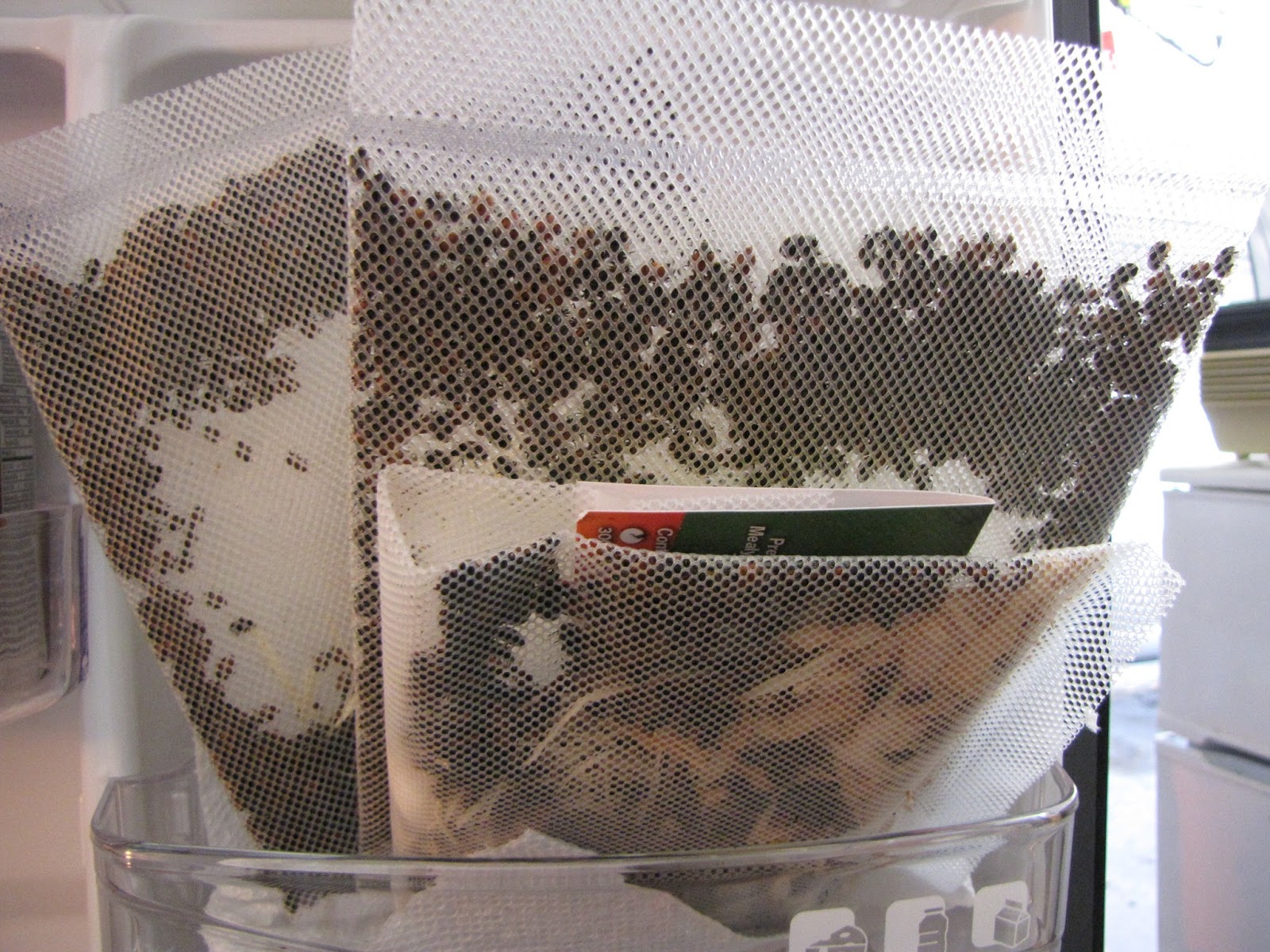
Yes, these are actually chillin'
in my fridge!
Yikes!

On a side note for gardeners - two items.


  • Just a friendly reminder to let everyone know that the shed and front gate have been found open on several occasions in the last couple of weeks.  If you are in the garden, please be sure and lock up.  It would also be nice to stroll by and check to be sure that the shed is locked in case someone else has forgotten.  Thanks so much for your help while we all get in the routine!      

Newly hatched mantis's on oregano!
These were Fred & Wilma
a few hours after birth!
They are in the lower right quadrant.

  • Part of gardening organically requires the utilization of beneficial insects in the garden to assist in keeping undesirable pests to a minimum.  Ladybugs are wonderful to have around as they feed on small soft-bodied insects with a voracious appetite.  The first release will be to assist us in building numbers before aphids arrive.  Subsequent releases will follow.  I also have praying mantis egg cases in incubation for future releases. If anyone has young children or grandchildren this is a wonderful way to have them involved and be a garden helper.  
        Bugs are cool!  


Have a great start to the week!

Denise, Beds 25 & 29

Friday, March 8, 2013

When is it Warm Enough to Plant?

Hey Everyone,

With the warmer days of spring just around the corner, everyone will be anxious and eager to get out and enjoy his or her garden.  I hope that many will want to try direct sowing some seeds.  I ran across this chart on the Gardener's Supply website and thought we would all appreciate the guidelines for soil temperature to ensure good germination rates.  Remember the green dots are far from optimum and will produce results that are more erratic.

The best temperatures for starting seeds
When is it Warm Enough to Plant?

To obtain the most success with direct sowing seed, it is important to follow a few simple steps.


Bed 50 is a wonderful example of
well worked soil with
a nice loam to it. 
  • Take the time to do a little garden prep work.  Thoroughly check your bed for the presence of any undesirables (grubs, cutworms, vine borer larvae, etc.).  Turn in plenty of soil amendments (free compost is available) and work the soil so it is a nice loose consistency with no heavy clumps of dirt. Fertilize properly and level the bed nice and neat. 
  • Look for the seasonal benchmark.  The best advice I ever received was to look for the sweet spot when planting.  This is a great weekend for prepping the soil and then letting the bed rest a few days to a week before sowing.  When turning your bed, you will be bringing the cooler soil to the top and it will take a few days to warm.  We can still have harsh weather and some young seedlings will easily succumb to the freezing temperatures.  Tip:  Unless you are using a frost blanket, it is still too early for sowing carrots, beets, turnips, and lettuce.  However, it is a perfect time for bulbing onions, peas, parsley, radishes, spinach, and mustard greens.  I will start taking soil temperatures this weekend and post them so we have an idea of where things stand.  Temps taken this afternoon ran approx. 37.3 to 41.6 degrees depending on where you were in the garden. Those who have consistently been covering were substantially higher by 10 to 12 degrees.

    Freshly watered soil with
    a desirable loam and consistency. 
  • Follow the seed packet instructions for the depth and spacing requirements.  Some seeds require light to germinate and if sown too deep will not sprout.  A nice rule of thumb is to sow no more than two to three times as deep as the seeds diameter.  However, if your packet states to barely cover the seeds, follow these instructions.   
  • Keep the seedbed evenly moist and do not let it dry out. Use a fine mist or shower nozzle to prevent dislodging of the seeds and eroding of the soil.  Tip: Nothing hinders the process more than allowing the seedbed to dry out during germination.  I actually try to mist my bed roughly the same time every day to ensure success.  
  • Make sure to know what your seedlings will look like and mark them properly.  Pull all competing spring weeds as they have the potential to harbor disease and insects as well as compete for your seedlings nutrients.  Once sprouted, gradually wean to your regular watering schedule, however, please remember raised beds do dry out rapidly and young seedlings need consistency. 
The attached sowing guides should get everyone off to a wonderful season of growing.  Devra at Botanical Interests has been kind enough to give me their permission to use these charts for our garden needs!  They have excellent recommendations for good germination rates of what is safe to put in now and what you should wait a bit on.  If I can be of any assistance, please don't hesitate to ask or post a comment.


Enjoy the wonderful weather this weekend!                                              

Denise, Beds 25 & 29

Weekly Calendar - March 8 - 15

March 8, 9, 10
Cobb County Library Book Sale
More information about the Book Sale

March 9
2:00 - 4:00 pm
Gardener on Duty

8:30 - 10:30 am
Fruit Tree Planting in the Orchard
See email sent on Mon 3/4/13 for more details

March 12
NO Gardener on Duty

How to keep your Veggies Happy, Healthy and Productive
6:30 - 7:30
Class on watering, fertilizing and mulching
Class Details on the blog

March 14
9:30 am
Monthly Planning Meeting
Christ Lutheran Church, 176 West Sandtown Road Marietta, 30064

All gardeners at the Green Meadows Community Garden are invited to attend the Planning Meeting. You have a vested interest in the day to day operation and the future of the garden.

Thursday, March 7, 2013

Eggs, Calcium and Pinterest

The relationship between eggs and calcium is clear but how does Pinterest come in to play

And then the next question is - what IS Pinterest?

Pinterest is a really cool way to organize information you find online but don't really want to print. If you just save a file on your home computer, the chances of finding it when you need it aren't that good. Or at least not easily. Pinterest works like an online bulletin board and "pins" what you find on a virtual bulletin board using pictures with descriptions.

If you have heard of Pinterest you may think, oh, it is just for recipes, crafty projects, home decor, etc. Not true! Over the last few months I've used it frequently to find gardening information about row covers, square foot gardening, trellis options, community gardens, growing lettuce indoors, carrots, potatoes, etc. There is a wealth of information out there to find and looking at Pinterest sparks ideas and AH HA! moments.

As always, remember that not everything you find is true so verify before you totally believe it. There are a number of old, unscientific ideas that have been pinned.

One thing I came across on Pinterest (and pinned to save it) recommended saving the water you boil eggs in and using it on your plants because calcium leaches out of the egg shells. I didn't really know whether to believe it or not but said what the heck, I'll try it.

pHydrion tape is used to measure the acidity of fluids. I tested a glass of fresh tap water and a glass full of egg water. The egg water really did have more calcium! (The dark green tape is the egg water.)

 Guess I'll save my egg water and use it on plants that really need it. I could always take it to the garden and put it on my tomato plants to help prevent blossom end rot.

Calcium is essential for all plants, but the following are especially responsive: apples, broccoli, brussels sprouts, cabbage, carrots, cauliflower, celery, curcurbits, legumes, lettuce, peppers, potatoes,  and tomatoes. This link has a lot of interesting information: Plants Need Calcium Too

Wednesday, March 6, 2013

Welcome to the Shed

Everyone should have the code to the lock on the shed door by now. If you haven't been inside, there are all kinds of useful tools in there. As well as a First Aid Kit which we hope no one will need to use. There may be other things you would like to use like a Bad Bug Kit, paper, pens, etc.


Please put everything back in a neat manner and if you track dirt or wood chips in, sweep them out.  We do have a very nice broom to go along with the great tools and kneelers!

If you have plastic grocery bags you need to recycle, we have a huge pink bag that needs more bags. It is so nice to have access to bag when you need it!

Tuesday, March 5, 2013

Bluebird Trail Tour in the Snow


Snow?  Yes indeed it snowed on us at the garden during the Bluebird Trail Tour! Maybe we should have called it the Snow Bird Tour. At one point Jim called out "It is snowing!" and when we looked, he was rather blurry it was snowing so hard.

But that didn't keep this hardy bunch of people from bundling up and spending time in the garden and walking the trails.

It was colder standing in the garden with the wind whipping around us then it was once we started walking. 

I was impressed that everyone had a hat of some kind on!
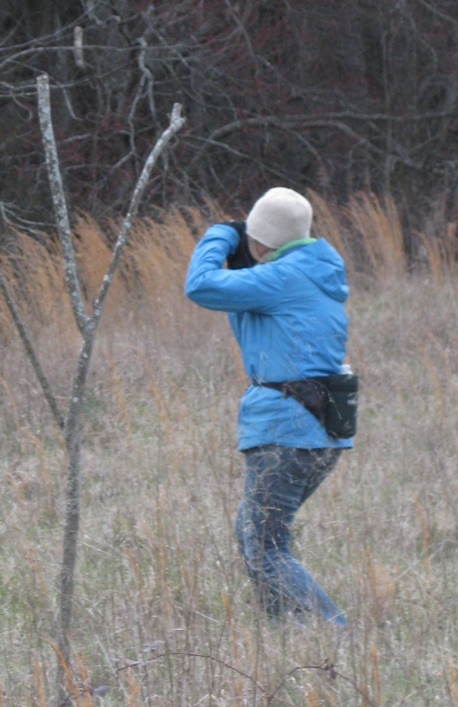
Kathy was stalking a bluebird at one feeder, trying to get pictures for Jim's blog.

Cobb County Book Sale

The Cobb County Library and The Friends of the Library are hosting their semi-annual book sale at Jim Miller Park from March 8-10, 2013. Over 100,000 items are for sale at the event which takes place in the spring and fall for three days beginning on Friday. Sale items include books both hardbound and paperback for children, young adults and adults; audio-visuals including books on tape and compact disc; videocassettes; compact discs; records; magazines; and comic books. All proceeds are used to purchase new books and other library materials.

Date:
March 8-10, 2013

Time:
Friday - 9am to 5pm
Saturday - 9am to 5pm
Sunday - 1pm to 5pm
 

Prices
Books, Magazines, Videos, Records, CDs, and More!
Hardbacks – Adult $1.50
Hardbacks – Juvenile   $1.00
Paperbacks – Select (i.e. Travel & Computer) $1.00
Paperbacks - Large Format $1.00
Paperbacks – Mass Market Size 50¢
Paperbacks – Juvenile  50¢
Reader’s Digest Condensed Books 25¢
Harlequin & Silhouette Romances  50¢
Magazines 10¢
Comic Books $1.00
Puzzles, Records, Audio & Videocassettes, & Computer Programs $1.00
Magazines by the Box $2.00

Address:
Jim Miller Park
2245 Callaway Road
Marietta, GA 30008

Monday, March 4, 2013

How to keep your Veggies Happy, Healthy and Productive

Tuesday March 12, 2013
6:30 - 7:30 pm
Lost Mountain Park
Western District Operations Building

You are invited to attend a free gardening class sponsored by The Green Meadows Preserve Community Garden.

How to Keep your Vegetable plants Happy, Healthy and Productive

Come learn more about the Three Bears Scale -
       Too Much,  Not Enough and Just Right

See how it applies to:
  • Fertilization
  • Watering
  • Mulching

Please RSVP to greenmeadowscg@gmail.com
We want to make sure we have enough handouts for everyone.

Directions From the Community Garden:
Take Dallas Hwy West 2.0 miles (to the 2nd traffic light from the garden.)
Turn left at the traffic light into Lost Mountain Park . 
Take the first left.
Once you turn, go straight and the road dead ends into a parking lot between Boots Ward Recreation Building and the Western District Operations Building. If the parking lot is full, park in the parking lot in front of the ball fields.

Lost Mountain Park
Western District Operations Building
4845 Dallas Highway
Powder Springs, GA 30127

Green Weed Prevention

Now is the time to really jump on the weeds around your bed and in the community areas. We've been working on it but there is more to be done.

True, weeding isn't very exciting but it is even less interesting when you have double the amount of weeds to pull.  My philosophy has always been -while the ground is soft, pull them out. There are kneelers on the wall in the shed and great tools to help with the chore.

One way to prevent weeds from sprouting up around your beds is to rake back the mulch and spread newspaper on the ground. Once the paper is down, put the mulch back over the newspaper. This really does help, especially while our mulch is thin.


There are two piles of newspaper in the corner of the shed that can be used to do this. Or you can bring the newspaper you were planning on recycling and use it around your bed.

Unfortunately this won't do away with the onions - the only way to get rid of them is to dig them out. Each and every time you see one.